
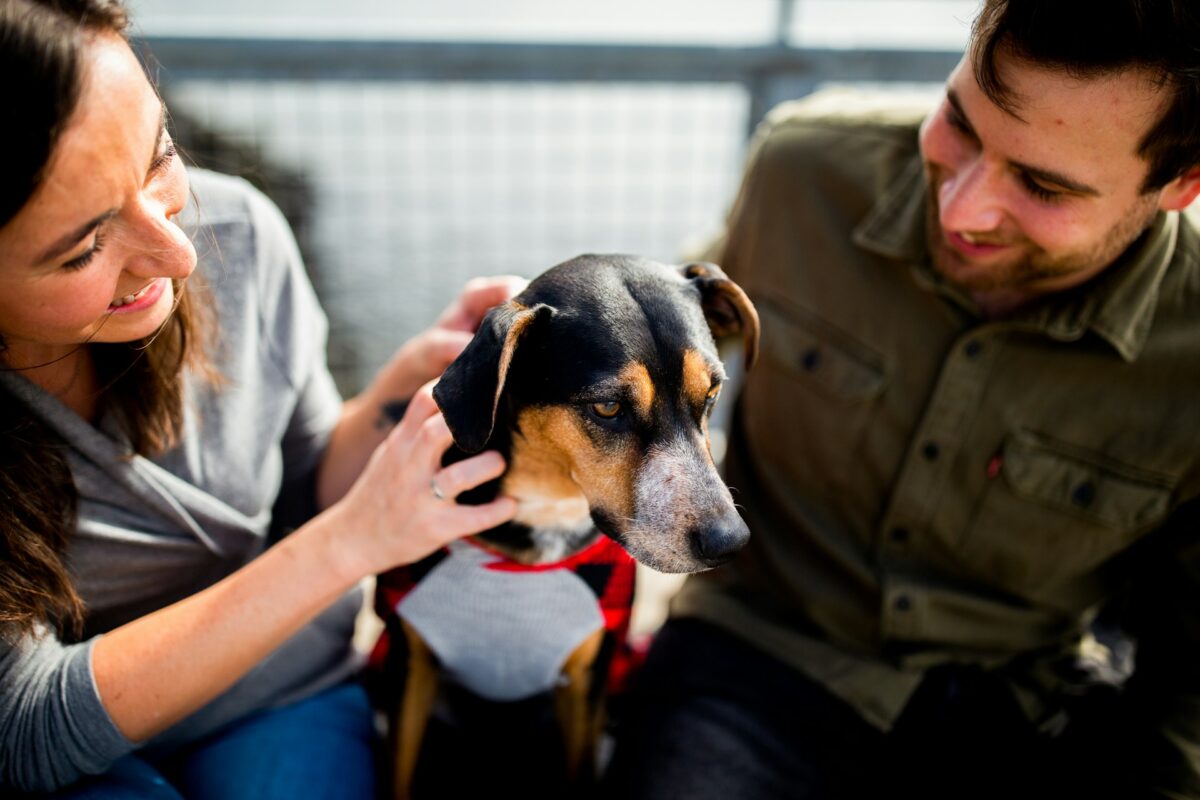
Helping Anxious Dogs Feel Safe and Confident: A Guide for Pet Owners
Many dogs live with anxiety—whether it’s fear of strangers, loud noises, new environments, or separation. If your dog seems nervous, shakes, hides, or refuses to engage, it can be heartbreaking and stressful. The good news? With patience, understanding, and the right strategies, you can help your anxious dog feel safe, calm, and confident.
This guide covers practical steps that work for everyday pet dogs and gives you tools to strengthen trust and emotional resilience.
Understanding Your Dog’s Anxiety
-
Loud noises like fireworks, thunderstorms, or traffic
-
Strange people, animals, or environments
-
Being left alone or changes in routine
-
Past trauma or inconsistent handling
Step 1: Create a Safe Space
-
A quiet corner of your home
-
A crate with soft bedding (if crate-trained positively)
-
A small, enclosed room with familiar toys
Step 2: Build Predictable Routines
-
Feed meals and walks at consistent times
-
Have a predictable daily schedule of training, play, and rest
-
Maintain consistency in commands and rules
Step 3: Desensitize Gradually
-
Start at a distance or intensity your dog can tolerate
-
Reward calm behavior with treats, praise, or toys
-
Gradually increase exposure while keeping your dog under threshold
-
Stop before anxiety escalates; repeat slowly over time
Step 4: Teach Confidence Through Choice
-
Allow your dog to approach new people or objects rather than forcing interaction
-
Offer options: “Do you want to go left or right?” during walks
-
Reward voluntary engagement and exploration
Step 5: Use Calm Energy and Communication
Dogs are extremely sensitive to human energy. Calm, predictable handling can reduce anxiety.
-
Speak softly and avoid sudden movements
-
Avoid hovering or forcing interaction
-
Use consistent cues and hand signals
-
Model calm behavior during stressful situations
Step 6: Mental Enrichment and Confidence-Building Games
-
Puzzle feeders or scent games
-
Obedience exercises with small, achievable goals
-
Hide-and-seek recalls
-
Simple trick training like spin, paw, or “target”
Step 7: Know When to Seek Professional Help
-
Consult a certified dog trainer with experience in fear and anxiety
-
Your veterinarian may recommend behavioral therapy or anxiety management tools
-
Avoid punishment—stress compounds fear
Final Thoughts
Helping an anxious dog feel safe isn’t about making fear disappear overnight—it’s about building trust, consistency, and confidence. Every small step counts: a calm routine, a safe space, a treat for voluntary engagement, or a successful mental game.
Over time, your dog will learn: the world isn’t scary, and I’m safe with my person. And that’s one of the most rewarding milestones a dog owner can achieve.